England Drought Crisis Affects Over Half the Nation
More than 50% of England faces severe drought conditions. Discover how this environmental crisis impacts rivers, agriculture, and wildlife across the country.
England Faces Unprecedented Drought Crisis Affecting Over Half the Country
An England drought crisis has been officially declared by environmental authorities, with more than half of the nation now experiencing severe water shortages. This unprecedented England drought situation represents one of the most significant environmental challenges the country has faced in recent years, requiring immediate attention from policymakers and communities alike.
Understanding the Severity of Current Conditions
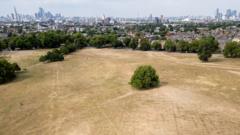
The current England drought crisis stems from an exceptionally hot and dry period that has persisted across multiple seasons. Meteorological data indicates that rainfall levels have fallen significantly below historical averages, creating conditions that have triggered widespread concern among environmental experts and government agencies. The prolonged England drought has moved beyond typical seasonal variations, establishing itself as a critical water management issue.
Temperature Extremes Contributing to Drought Conditions
The heat component of this England drought crisis cannot be understated. Temperatures across affected regions have consistently exceeded normal ranges, accelerating evaporation rates from soil, water bodies, and vegetation. These elevated temperatures have compounded the effects of reduced precipitation, creating a compounding effect that has intensified the overall severity of the drought situation.
Impact on River Systems and Water Resources
Rivers throughout affected areas have experienced dramatically reduced water flows, with some reaching concerning levels. This England drought impact on riverine ecosystems has profound implications for water supply management, energy generation, and aquatic biodiversity. Water authorities have implemented restrictions and conservation measures to protect remaining supplies for essential uses, including drinking water and agricultural irrigation.
Threat to Water Supply Infrastructure
The England drought crisis threatens the reliability of water supply networks that serve millions of residents. Reservoirs and groundwater sources, typically replenished during winter months, have not recovered to normal levels. This deficit means that without significant rainfall, water utilities may need to implement more stringent rationing measures.
Agricultural Consequences and Crop Failures
Farmers across the drought-affected regions face substantial challenges as the England drought impacts crop production and livestock management. Irrigation water availability has become severely limited, forcing agricultural operations to make difficult decisions about which fields to irrigate and which to allow to remain fallow. Crop yields have declined across multiple commodities, with some farmers reporting total losses in certain growing areas.
Long-Term Economic Implications for Rural Communities
The financial impact of this England drought extends beyond immediate crop losses. Feed costs for livestock have increased due to reduced pasture availability, forcing farmers to purchase supplementary nutrition. Insurance claims and government compensation programs are being stretched thin as the agricultural sector seeks support.
Ecological and Nature Conservation Challenges
Wildlife and natural ecosystems have suffered significantly under the England drought conditions. Wetland habitats that depend on consistent water levels have dried up, displacing bird populations and other aquatic species. Forests and woodlands are showing visible stress, with some vegetation dying due to prolonged water deficit. Conservation organizations warn that recovery of these ecosystems could take years even after drought conditions improve.
Biodiversity Under Threat
The England drought crisis poses existential threats to several species that depend on specific habitat conditions. Amphibian populations face particular vulnerability, as breeding habitats disappear. Insect populations, critical for pollination and food chains, have declined noticeably in affected areas.
Government Response and Water Management Strategies
Environmental authorities have activated comprehensive drought management protocols in response to the England drought declaration. These measures include public education campaigns promoting water conservation, temporary restrictions on non-essential water uses, and emergency authorizations for alternative water sourcing methods.
Community Engagement and Conservation Efforts
Local authorities are working with communities to implement grassroots water conservation initiatives. Public awareness campaigns encourage residents to reduce consumption through behavioral changes such as shorter showers, efficient appliance usage, and landscape modifications that reduce irrigation requirements.
Future Outlook and Climate Considerations
Climate scientists indicate that the conditions creating this England drought crisis align with broader climate change patterns predicted by long-term models. The frequency and intensity of such drought events may increase in coming decades, necessitating strategic planning for water infrastructure and agricultural adaptation. Policymakers are considering investments in drought-resistant infrastructure, including rainwater harvesting systems and advanced irrigation technologies.
Preparation for Future Drought Cycles
The England drought experience serves as a catalyst for developing more resilient water management systems. Water companies are exploring interconnections between regional systems to enable distribution flexibility, and investment in recycled water infrastructure is gaining momentum.
Conclusion: Addressing the England Drought Challenge
The declaration of severe drought conditions affecting more than half of England represents a watershed moment for environmental policy and resource management. This England drought crisis demands coordinated responses across agricultural, industrial, municipal, and residential sectors. Through collective action, investment in sustainable water management, and adaptation to changing climate patterns, communities can build resilience against future drought events while addressing immediate conservation needs.