How Iran Calculates Benefits from Limited Conflict Strategy
Iran's strategic approach to managing tensions with the US involves calculated escalation while avoiding full-scale war, weighing conflict benefits against peace
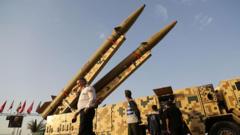
Iran's Strategic Calculation in Conflict Management
Iran's approach to US relations increasingly reflects a sophisticated understanding of Iran US limited war strategy that prioritizes sustained pressure without triggering catastrophic escalation. Rather than pursuing either complete capitulation or unrestricted confrontation, Iranian leadership appears to view controlled tension as a mechanism for advancing national interests while maintaining plausible deniability regarding major military operations.
This calculated posture represents a fundamental shift in how regional powers manage asymmetric relationships with superior military adversaries. By maintaining what strategists term "graduated response capacity," Iran can demonstrate resolve to domestic audiences and regional allies while preserving strategic flexibility for diplomatic off-ramps when circumstances demand.
The Mechanics of Measured Escalation
The framework underlying Iran's conflict escalation strategy operates on several interconnected levels. First, proxy networks distributed across Iraq, Syria, Lebanon, and Yemen provide deniable mechanisms for projecting power without direct state attribution. These intermediaries allow Tehran to maintain diplomatic channels while subordinate actors conduct operations that incrementally raise costs for American regional interests.
Second, Iran's ballistic missile program and drone technology provide scalable response options. Unlike nuclear weapons or conventional armor, these systems enable phased escalation matched to provocation levels. A US airstrike receives proportional response; economic sanctions trigger measured maritime disruptions; diplomatic isolation produces accelerated weapons development announcements.
Why Full Peace May Appear Less Advantageous
Complete normalization with Washington would require Iran to abandon leverage mechanisms developed over decades. Comprehensive peace negotiations would necessitate dismantling proxy networks, constraining missile development, and accepting surveillance regimes incompatible with regime survival calculations. For Iranian decision-makers, these concessions exceed acceptable thresholds because they eliminate insurance mechanisms against internal instability and external coercion.
Furthermore, sustained confrontation serves valuable domestic functions. External pressure unifies fractious political constituencies and justifies military spending that provides employment and power to Revolutionary Guard Corps factions. A peaceful accommodation would require redirecting resources toward civilian infrastructure and consumer goods—a transition threatening established power structures.
Regional Implications of Limited War Dynamics
Iran's preference for controlled conflict rather than peace generates significant ripple effects throughout the Middle East. Regional allies interpret Tehran's willingness to absorb American military responses as evidence of genuine resolve rather than rhetorical posturing. Conversely, adversaries like Saudi Arabia and Israel view persistent Iranian military modernization as justification for their own accelerated defense programs, perpetuating arms competition cycles.
This equilibrium benefits Iranian interests by preventing the regional consensus that might otherwise support decisive military action. As long as Iran demonstrates capacity to impose costs on American operations, Arab states remain reluctant to provide staging areas or intelligence cooperation for campaigns against Iranian targets. This creates strategic space for Iranian activities in Iraq and Syria despite nominal US military presence in those countries.
Economic Warfare and Sanctioned Development
International sanctions regimes paradoxically reinforce Iran's commitment to limited conflict strategies. Rather than inducing regime change or behavioral modification, sanctions accelerate military technological development by concentrating resources on defense sectors insulated from international commerce restrictions. This creates perverse incentive structures where escalation serves economic development objectives better than negotiated sanctions relief.
Additionally, limited military provocations test American resolve and reveal intelligence capabilities. Each clash provides operational data regarding US sensor systems, response timeframes, and alliance coordination patterns. This intelligence serves Iranian planning processes for potential larger conflicts while demonstrating to allies that engagement with Washington carries predictable costs.
Future Trajectories and Strategic Uncertainty
The sustainability of Iran's limited war approach depends on American willingness to accept chronic low-level confrontation without retaliatory escalation. Should US administrations adopt more aggressive postures, the calculus shifts toward either genuine negotiation or preparation for maximum conflict scenarios. Current trajectory suggests this precarious balance may persist for extended periods, generating regional instability without resolution mechanisms.
For international observers, understanding Iran's conflict calculations illuminates why conventional diplomatic approaches frequently disappoint. Iran's strategic preference for measured tension reflects rational analysis of available options rather than ideological commitment to perpetual hostility. Any sustainable accommodation must address the structural incentives maintaining current equilibrium while offering alternative mechanisms for achieving Iranian security objectives.