Hundreds Escape Greece Wildfire by Boat Amid Europe Blazes
Over 500 tourists evacuated by sea from Greek wildfire in Agios Vasileios. Europe faces massive blazes as fire spreads across multiple countries.
Massive Evacuation Effort in Greece Wildfire Crisis
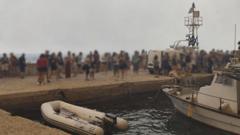
A Greece wildfire evacuation unfolded dramatically when approximately 500 individuals, predominantly foreign visitors, were rescued from Agios Vasileios through an emergency maritime operation. The situation highlighted the escalating threat posed by uncontrolled blazes that continue to sweep across multiple European nations, creating unprecedented challenges for emergency response teams.
The Greece wildfire emergency required swift action from local authorities who coordinated a sea-based rescue mission to transport stranded tourists away from the encroaching flames. The evacuation marked one of the most significant maritime rescue operations related to wildfire disasters in recent Mediterranean history.
Details of the Agios Vasileios Evacuation
The community of Agios Vasileios became a focal point of the crisis when rapidly advancing fire cut off conventional escape routes, leaving residents and tourists with limited options. Naval vessels and private boats were mobilized to create an emergency corridor, enabling the safe passage of hundreds of individuals to coastal safety zones.
Rescue coordinators worked systematically to identify vulnerable populations, including families with children and elderly individuals who faced particular challenges during the evacuation process. The operation demonstrated the critical importance of maritime resources in managing wildfire emergencies in coastal regions.
Broader European Wildfire Situation
The Greece wildfire incident represents just one manifestation of a larger continental crisis. Multiple European nations simultaneously battled intense fires, straining emergency resources and overwhelming firefighting personnel across the region. Countries including Spain, Italy, and several Balkan states reported significant fire activity, with some blazes spreading across vast territorial areas.
Climate conditions across southern Europe created optimal circumstances for rapid fire propagation. Elevated temperatures, low humidity levels, and strong winds combined to fuel the wildfires' expansion, making containment efforts extraordinarily difficult for even experienced fire management teams.
Impact on Tourism and Local Communities
The evacuations affected a substantial tourist population, disrupting vacation plans and creating logistical challenges for hospitality operators. Many visitors found themselves suddenly displaced from holiday destinations, requiring emergency accommodation and transportation arrangements to alternative locations.
Local communities faced displacement alongside tourist populations, with many residences threatened or destroyed by advancing flames. The humanitarian dimension of these disasters extended beyond immediate safety concerns to include property loss, infrastructure damage, and long-term displacement of vulnerable populations.
Emergency Response Operations
Firefighting personnel worked around the clock attempting to contain the Greece wildfire and numerous other blazes across Europe. Aerial support, including helicopters and water-dropping aircraft, supplemented ground crews, though resource limitations prevented simultaneous combat of all active fire fronts.
International cooperation emerged as critical infrastructure for managing the continental crisis. Several nations dispatched personnel and equipment to assist neighboring countries, reflecting the scale of devastation affecting multiple regions simultaneously.
Looking Forward
The Greece wildfire emergency underscores growing vulnerability to climate-related disasters affecting Mediterranean and southern European regions. Future preparedness requires enhanced investment in firefighting infrastructure, improved early warning systems, and comprehensive evacuation planning for at-risk coastal and inland communities.
As recovery efforts commence, authorities continue monitoring remaining fire activity, with concerns about potential renewed outbreaks should weather conditions remain unfavorable.