Philp Disputes French Navy Training Exercise Claim in Channel Incident
Conservative MP Chris Philp rejects French Navy's explanation of shots fired near his boat during Channel patrol. Shadow home secretary calls incident 'intimidation'.
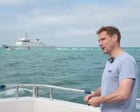
Conservative MP Rejects French Navy's Training Exercise Explanation
The French Navy Channel incident has sparked significant controversy after Conservative MP and shadow home secretary Chris Philp disputed French authorities' claims that gunfire from a naval vessel was part of a routine training exercise. Philp was conducting a patrol monitoring illegal migrant crossings when the encounter occurred, and he has publicly rejected the official explanation provided by French officials.
According to Philp's account of the French Navy Channel incident, a French warship approached his vessel without warning and discharged approximately 17 live rounds in the vicinity of his boat. The shadow home secretary characterized the situation as potentially deliberate intimidation, noting that no advance notification or scheduled training exercise had been communicated to those present at the time.
Details of the Alleged Firing Incident
In a statement shared on social media, Philp provided specific details about what occurred during his Channel monitoring mission. He emphasized that while being interviewed by BBC journalists aboard his vessel, a French naval warship drew close to his position and released what he described as live ammunition. The Conservative politician stressed the absence of any prior warning or indication that military exercises were taking place in the area.
Philp's characterization of the events differed markedly from French authorities' explanation. Where French officials framed the incident as routine military training, Philp described it as having "looked and sounded like deliberate intimidation." This stark contrast in interpretations has raised questions about coordination between British and French authorities regarding naval operations in the Channel.
The Broader Context of Channel Security
The French Navy Channel incident occurs against a backdrop of increasing tension regarding maritime activity in the English Channel. This is not the first time foreign military vessels have allegedly fired in proximity to British individuals in the waterway. Recent incidents have also involved Russian naval forces conducting similar activities, creating a pattern of concerning behavior in what is one of Europe's most heavily trafficked maritime routes.
The incident raises important questions about international protocols and communication between naval authorities. When military operations occur in heavily used shipping lanes where civilian monitoring activities take place, advance coordination becomes essential to prevent dangerous misunderstandings and ensure the safety of all parties involved.
Shadow Home Secretary's Response and Position
As shadow home secretary, Philp's statements carry particular weight within Conservative Party circles and broader political discourse. His direct rejection of the French Navy's training exercise explanation suggests that the incident may become a diplomatic matter requiring higher-level government attention. The Conservative Party has used the encounter to highlight what they view as inadequate security measures and international coordination regarding Channel activity.
Philp's presence on the vessel was directly related to his political responsibilities. The Conservative Party has maintained a strong focus on immigration policy, particularly regarding small boat crossings in the Channel. Opposition MPs and politicians frequently conduct monitoring patrols and fact-finding missions to document and comment on border security operations. This particular patrol, which led to the French Navy Channel incident, was part of these ongoing opposition activities.
International Maritime Protocol Concerns
The absence of advance warning that Philp emphasized raises significant concerns about adherence to international maritime protocols. Most military exercises in shared waterways involve advance notification to relevant maritime authorities and other users of those waters. The failure to provide such notification, if confirmed, could represent a breach of established procedures designed to prevent exactly these kinds of dangerous encounters.
Channel waters are utilized by commercial shipping, fishing vessels, passenger ferries, and various governmental patrol boats. The need for clear communication about military operations in such a congested maritime environment cannot be overstated. Any incident that lacks proper coordination carries potential risks for numerous parties operating in the area.
Political Implications and Diplomatic Considerations
The French Navy Channel incident has potential ramifications extending beyond the immediate encounter. As relations between France and the United Kingdom continue to involve discussions about Channel security, border control, and migration management, disputes over military conduct can complicate diplomatic conversations. Philp's public statement and his rejection of French explanations may influence how British officials approach future negotiations with their French counterparts on these sensitive issues.
The timing and context of the incident add another layer of complexity. With ongoing discussions about migration control and border security, any incident involving French naval vessels could be interpreted through the lens of broader bilateral disagreements. Whether accidental or deliberate, such encounters carry implications that extend beyond the immediate participants to affect official government-to-government relations.
Conclusion and Outstanding Questions
The dispute between Chris Philp and French authorities regarding the nature and justification for the naval vessel's actions remains unresolved. While French officials maintain that the incident constituted a standard training exercise, Philp's insistence that the events constituted intimidation presents a fundamentally different narrative. The French Navy Channel incident highlights the importance of maintaining clear communication protocols and coordination among naval forces operating in shared international waters, ensuring that legitimate security concerns do not escalate into dangerous encounters due to failures in advance notification and inter-agency coordination.