Police Drop Case Against Polanski Over Farage Guillotine Post
Metropolitan Police closes investigation into Green leader Zack Polanski's shared image featuring guillotine reference to Nigel Farage without further action.
Police Investigation Concludes Without Charges
The Metropolitan Police has announced it will pursue no further action regarding the Polanski guillotine image controversy that sparked significant political debate. Scotland Yard's decision to close the investigation marks the end of an inquiry into content shared by the Green party leader for England and Wales.
The case centered on a photograph posted by party officials depicting an individual wearing apparel with a guillotine graphic and accompanying text referencing "we're only making plans for Nigel." The Polanski guillotine image generated considerable scrutiny within political circles and among the public, prompting police intervention.
Green Leader's Response to Investigation
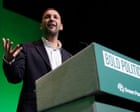
Zack Polanski, serving as the Green party leader for England and Wales, characterized his involvement with the material as an "inadvertent mistake" rather than intentional provocation. Despite mounting pressure from political opponents and advocacy groups, Polanski remained steadfast in his position, declining to offer a formal apology to his Reform rival.
The Green party leader's refusal to apologize represented a notable stance during the investigation period. Polanski maintained that the incident resulted from an error in judgment rather than deliberate misconduct, positioning his actions as an honest mistake rather than a calculated political maneuver.
Threshold for Criminal Prosecution Not Met
Metropolitan Police officials determined that evidence gathered during their investigation did not satisfy the legal threshold required to proceed with criminal prosecution. The decision reflects standard police protocol when reviewing incidents that may potentially cross legal boundaries but ultimately lack sufficient grounds for formal charges.
The threshold assessment considered multiple factors including context, intent, and applicable legal statutes. Investigators concluded that circumstances surrounding the Polanski guillotine image did not warrant escalation to the Crown Prosecution Service for charging decisions.
Political Context and Implications
The incident occurred amid intensifying political rivalry between the Green party and Reform UK, led by Nigel Farage. The exchange highlighted broader tensions within contemporary British politics, where social media content and public statements frequently become flashpoints for inter-party conflict.
Farage, as the prominent figure referenced in the controversial material, represented the target of the disputed imagery. The Reform leader's position throughout the investigation underscored the contentious nature of modern political discourse and the challenges authorities face in distinguishing between legitimate expression and actionable offense.
Closure of Investigation Phase
With police announcing no further action, the Polanski guillotine image matter enters a new phase characterized by potential political and public discourse rather than legal proceedings. The Metropolitan Police's closure statement effectively concludes official investigative efforts on the matter.
The decision provides clarity for all parties involved, though political ramifications may persist within public debate and electoral considerations. The Green party leader can move forward without the formal legal scrutiny that characterized the investigation period.
Broader Context in Political Messaging
This situation reflects ongoing challenges in contemporary politics regarding appropriate communication standards and the boundaries of acceptable discourse. Political leaders across parties face increasing scrutiny regarding shared content, posted materials, and public statements.
The Polanski guillotine image case serves as a notable example of how digital communication can rapidly escalate political tensions and trigger institutional responses. The investigation's conclusion demonstrates that not all controversial content ultimately crosses legal thresholds, even when generating substantial public attention.