Trump Administration Explores AI Security Controls Following OpenAI Breaches
Trump administration shifts stance on AI regulation, considering new security controls after recent OpenAI hacking incidents. Discover the policy implications.
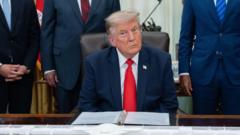
Trump Administration Shifts Position on AI Regulation
The Trump administration is now carefully evaluating AI security controls and regulatory frameworks following a series of concerning hacking incidents involving OpenAI systems. This represents a significant departure from the administration's previously established hands-off approach to artificial intelligence technology and development.
Policy Direction Change on Technology Oversight
The consideration of AI security controls signals an evolving perspective within federal leadership regarding government involvement in technological advancement. Previously, the administration had maintained a permissive stance toward industry self-regulation and minimal government intervention in artificial intelligence matters.
This recalibration comes as security vulnerabilities have exposed potential risks associated with major AI platforms. The shift underscores growing recognition that emerging technologies may require baseline security standards and oversight mechanisms to protect national interests and user data integrity.
Understanding the OpenAI Security Challenges
Recent OpenAI hacking incidents have raised alarm bells among policymakers and security experts alike. These breaches have demonstrated that even leading artificial intelligence companies face sophisticated cyber threats and vulnerability exploitation attempts.
The incidents have prompted serious discussions about whether current industry security practices adequately address emerging threats. Federal officials are examining whether voluntary compliance frameworks provide sufficient protection for sensitive systems and information.
Implications for Federal AI Governance
The administration's emerging interest in AI security controls suggests a potential framework for federal oversight may be taking shape. This represents movement toward structured governance while maintaining reasonable flexibility for industry innovation and competitive advantage.
Key considerations include establishing minimum security standards, incident reporting requirements, and vulnerability disclosure protocols. Such measures could create uniform baseline expectations across the artificial intelligence sector without imposing overly restrictive regulations that stifle technological progress.
Industry Response and Stakeholder Concerns
Technology companies and AI developers are closely monitoring this policy evolution. Many industry leaders support reasonable AI security controls that enhance protection without creating unnecessary compliance burdens or competitive disadvantages.
The balance between security and innovation remains a critical consideration. Policymakers must weigh the necessity of protective measures against potential impacts on research funding, development timelines, and American competitiveness in artificial intelligence markets.
Looking Forward: Next Steps in AI Regulation
The administration's exploration of AI security controls indicates ongoing dialogue between federal officials, technology companies, and security experts. Formal policy announcements may emerge as discussions continue and threat assessments are completed.
Future regulatory approaches will likely emphasize cybersecurity best practices, mandatory security testing, and incident response frameworks. The goal remains protecting critical infrastructure and sensitive data while preserving the innovation ecosystem that has made American artificial intelligence development a global leader.
This policy adjustment reflects broader recognition that technology governance requires adaptive responses as new threats emerge and operational risks become clearer. The coming months will be crucial in determining how AI security controls are ultimately implemented and whether they achieve the intended balance between protection and innovation.


