Trump Bars Chinese Humanoid Robots From US Market
Trump administration implements ban on Chinese humanoid robots, escalating AI competition. Explore the policy's impact on US robotics industry and China relations.
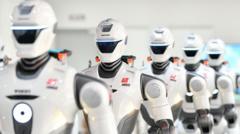
Trump Administration Enforces Restrictions on Chinese Humanoid Robots
The Trump administration has taken decisive action to restrict the entry of Chinese humanoid robots into the United States market, marking a significant escalation in technological competition between the two nations. This policy decision reflects growing concerns about artificial intelligence development and automation capabilities controlled by foreign entities.
The move to limit Chinese humanoid robots represents part of a broader strategy to protect American technological sovereignty and maintain competitive advantages in the robotics sector. Administration officials have emphasized that preventing unrestricted access to advanced robotic systems serves national security interests and protects domestic innovation.
The US-China Robotics Competition Landscape
The United States and China are engaged in an intense struggle for global dominance in robotics and artificial intelligence technologies. Both nations recognize that leadership in these sectors will determine economic and technological superiority throughout the coming decades.
China has emerged as a formidable competitor in humanoid robot development, investing heavily in research and manufacturing capabilities. Chinese companies have unveiled sophisticated humanoid robots designed for industrial, commercial, and service-oriented applications. These technological advances have prompted American policymakers to reassess import policies and protective measures.
Strategic Implications of the Humanoid Robots Ban
The restriction on Chinese humanoid robots creates significant barriers for companies seeking to import or deploy these systems within American borders. This policy decision aims to encourage domestic development and manufacturing of robotics technology by American firms.
Government officials argue that protecting access to advanced humanoid robots strengthens the domestic robotics industry. By limiting competition from Chinese manufacturers, the administration creates market conditions favorable to American companies developing their own humanoid systems and artificial intelligence solutions.
Economic and Industrial Consequences
American companies operating in sectors that utilize robotics and automation face both opportunities and constraints from this policy. While domestic robotics manufacturers may benefit from reduced competition, companies seeking to integrate cutting-edge humanoid robots into their operations face limitations on technology acquisition.
The ban on Chinese humanoid robots reflects broader tensions in international trade relationships and technology transfer policies. These measures form part of a comprehensive approach to managing technological competition and protecting intellectual property rights.
Future Outlook for AI and Robotics Development
The restriction on importing Chinese humanoid robots signals the administration's commitment to positioning the United States as the global leader in artificial intelligence and advanced automation. This approach emphasizes domestic innovation as the pathway to maintaining technological leadership.
As competition in robotics and AI continues intensifying, both nations will likely increase investment in research, development, and manufacturing infrastructure. The policy decision regarding Chinese humanoid robots serves as an indicator of future regulatory approaches to technology competition between major powers.


