UK Supreme Court to Review Palestine Action Ban Decision
The UK Supreme Court grants Palestine Action's co-founder permission to challenge the government's proscription under anti-terrorism laws in landmark appeal.
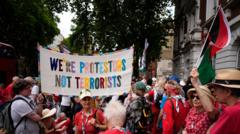
Palestine Action Ban Faces Supreme Court Challenge
In a significant legal development, the UK's highest court has granted Palestine Action's co-founder permission to mount a challenge against the government's decision to proscribe the organization under anti-terrorism legislation. This approval marks a crucial moment in the ongoing dispute surrounding the activist group's legal status.
The Permission to Appeal
The Supreme Court's decision to grant permission for the appeal signals that the case raises important constitutional and legal questions worthy of judicial review. Palestine Action's co-founder will now have the opportunity to present arguments contesting the proscription order issued by the government authorities. This development represents a substantial step forward for those challenging the ban.
Understanding the Proscription
The original proscription of Palestine Action occurred under the UK's anti-terrorism legislation, a move that the group and its supporters have contested vigorously. The proscription categorizes the organization as a terrorist entity, imposing significant legal restrictions on its operations and membership. The decision to pursue this legal route reflects deep concerns about the classification's validity and proportionality.
Legal Arguments and Constitutional Implications
The Supreme Court's willingness to hear this Palestine Action ban review case suggests that substantial legal questions require clarification. The appeal will likely examine whether the government followed proper procedures, whether evidence justified the classification, and whether the restrictions infringe upon fundamental rights such as freedom of association and expression. These constitutional dimensions elevate the case beyond a simple administrative review.
Background of Palestine Action
Palestine Action, the organization at the center of this legal battle, has engaged in various protest activities and demonstrations regarding Middle Eastern conflicts. The group's activities, according to supporters, constitute legitimate political activism and free speech. However, authorities have maintained that certain actions crossed legal boundaries, warranting the proscription under anti-terrorism legislation. This fundamental disagreement about the nature and intent of the organization's activities forms the core of the dispute.
Previous Government Position
The government's original decision to proscribe Palestine Action reflected its assessment that the group posed a security threat meeting the criteria established in anti-terrorism laws. Officials argued that specific incidents and patterns of behavior justified the classification. The proscription effectively prohibited the group from operating openly and made membership itself a criminal offense, a measure reserved for organizations deemed to pose serious national security risks.
The Path to Supreme Court Review
Before reaching the Supreme Court, the case proceeded through lower court stages where initial challenges to the proscription were considered. The Supreme Court's decision to grant permission indicates that the lower court proceedings raised questions substantial enough to merit the nation's highest judicial authority's attention. This progression through the courts demonstrates the significance both sides attach to the outcome.
Implications for Civil Liberties
This Palestine Action ban review carries broader implications for civil liberties and the balance between national security and fundamental freedoms. How the Supreme Court rules could establish precedents affecting how future proscription decisions are made and challenged. Civil rights organizations and legal scholars have followed the case closely, recognizing its potential impact on protections for political activism and protest movements.
What to Expect Next
The Supreme Court will schedule oral hearings where both the co-founder's legal team and government representatives will present their arguments. The court will then deliberate on the case's merits, examining legal documentation, precedents, and constitutional principles. A judgment from the Supreme Court will likely command significant attention and may reshape how proscription powers are exercised under anti-terrorism legislation.
Broader Context
This case exists within the broader context of ongoing debates about protest rights, political expression, and national security measures in the UK. The outcome will influence not only Palestine Action's status but potentially affect other organizations and individuals subject to similar legal restrictions. The Supreme Court's decision will provide authoritative guidance on the standards and procedures governing proscription decisions.
The permission granted for this Palestine Action ban review represents a critical juncture in UK law. As the case progresses through the Supreme Court, it will test fundamental principles about proportionality, procedural fairness, and the protection of political rights in a democratic society.