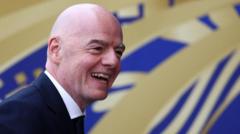
UEFA Threatens World Cup Boycott Over FIFA Investment Plans
UEFA's 55 member associations vote to boycott future World Cups if FIFA and Gianni Infantino proceed with controversial investment proposals. Read the latest.
UEFA Takes Firm Stance Against FIFA Investment Proposals
European football's governing body has escalated tensions with FIFA by announcing that FIFA investment proposals could trigger a coordinated World Cup boycott. The decisive vote by UEFA's 55 member associations represents one of the most significant challenges to FIFA's authority in recent years, signaling widespread opposition to the organization's financial restructuring plans championed by president Gianni Infantino.
Unified European Response to FIFA Plans
During a crucial assembly, UEFA member associations delivered a clear message: the World Cup remains a sporting competition, not a commercial commodity. The statement "the World Cup is not for sale" encapsulates Europe's resistance to FIFA's proposed investment framework. This collective position demonstrates the solidarity among European nations in protecting football's traditional values against what many perceive as excessive commercialization.
Understanding the Investment Controversy
At the heart of this dispute lies FIFA's ambition to secure significant external investment into international football competitions. These FIFA investment proposals have generated considerable debate within the global football community, with critics arguing they could fundamentally alter how the sport is organized and monetized. Gianni Infantino has championed these initiatives as necessary modernization, positioning them as essential for football's global growth and competitiveness.
Why UEFA Member Associations Are Opposing
The 55 nations within UEFA's jurisdiction expressed profound concerns about maintaining the integrity and independence of international football tournaments. Their unified stance suggests that European football stakeholders fear losing control over competition formats, revenue distribution, and governance structures if FIFA's investment proposals gain approval. The threat of a World Cup boycott represents the most powerful leverage European nations possess in negotiations with FIFA.
The Broader Implications for International Football
This conflict extends beyond financial disagreements. It reflects deeper philosophical divisions about football's future direction. UEFA member associations worry that external investment could prioritize corporate interests over athlete welfare, fan experience, and the sport's democratic governance. The potential World Cup boycott would severely damage FIFA's flagship tournament, making this dispute one of the organization's most pressing challenges.
Gianni Infantino's Position and FIFA's Response
FIFA president Gianni Infantino has framed these investment proposals as visionary leadership necessary for international football's competitiveness in an evolving digital and commercial landscape. However, UEFA's united opposition suggests that Infantino faces significant institutional resistance to implementing these changes without broader consensus among confederations.
What Happens Next
The ball now rests in FIFA's court. European football's clear ultimatum means FIFA leadership must genuinely consider whether proceeding with FIFA investment proposals justifies risking a World Cup boycott by over fifty nations. Negotiations between FIFA and UEFA leadership will likely intensify as both organizations seek a resolution that preserves football's competitive integrity while addressing legitimate modernization concerns.
This standoff underscores the complex relationship between FIFA's global ambitions and regional confederations' protective interests, with international football's future potentially hanging in the balance.